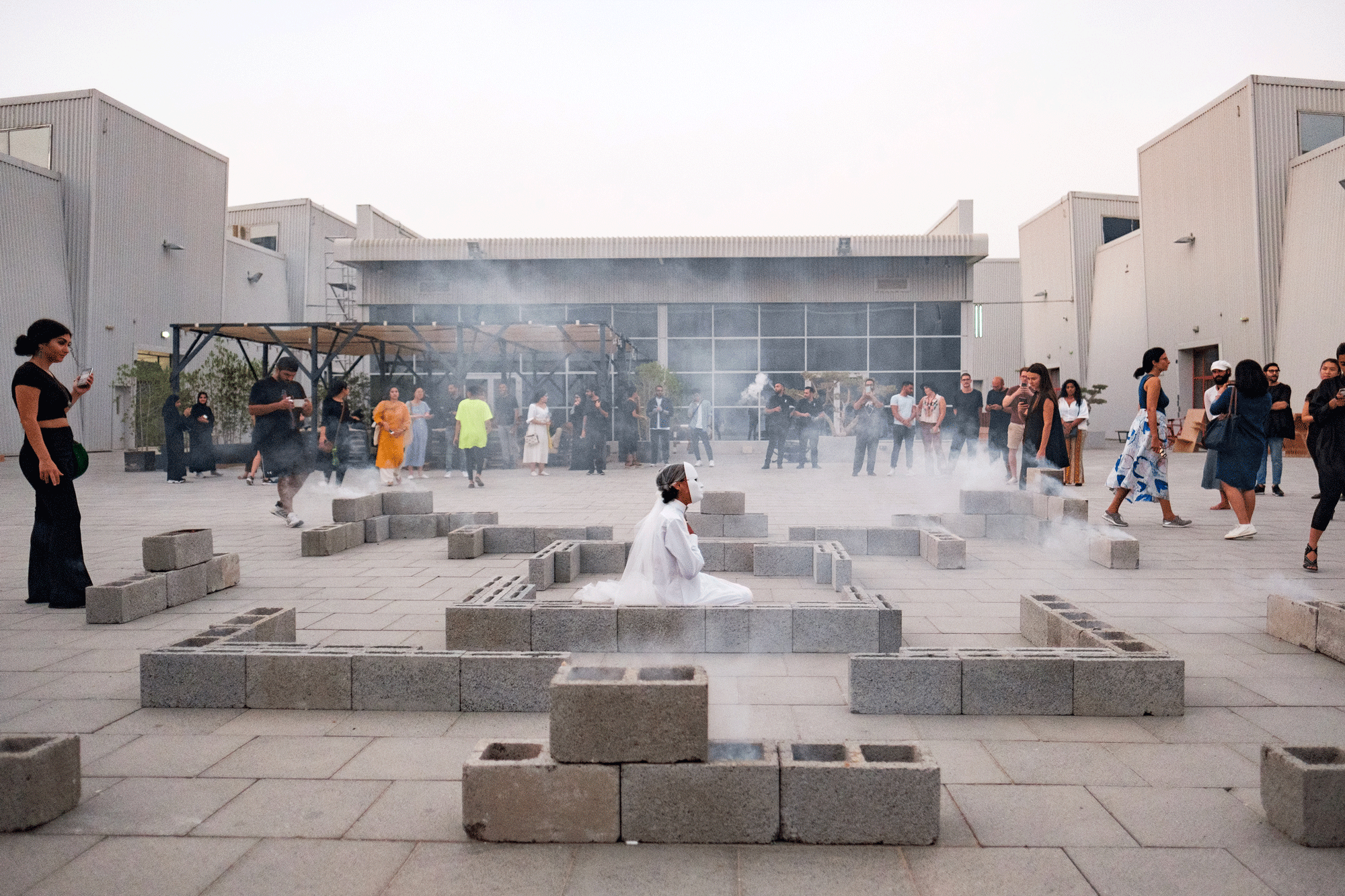
NORMS OF LIFE: THE WEDDING: 2019
“An imam once asked me, Do you believe in heaven and hell?
I answered: Yes. Of course. I believe we’re already in hell.”
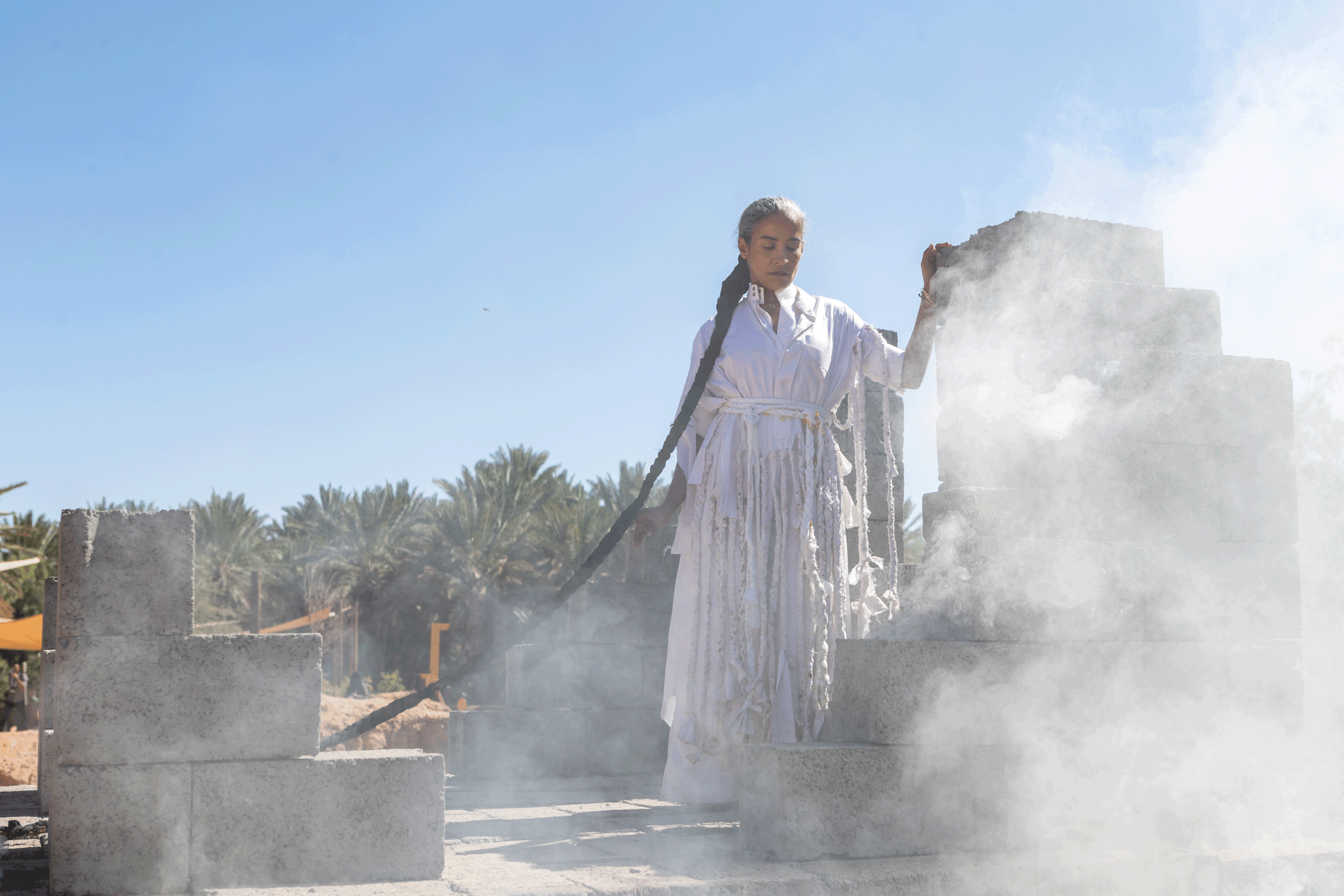
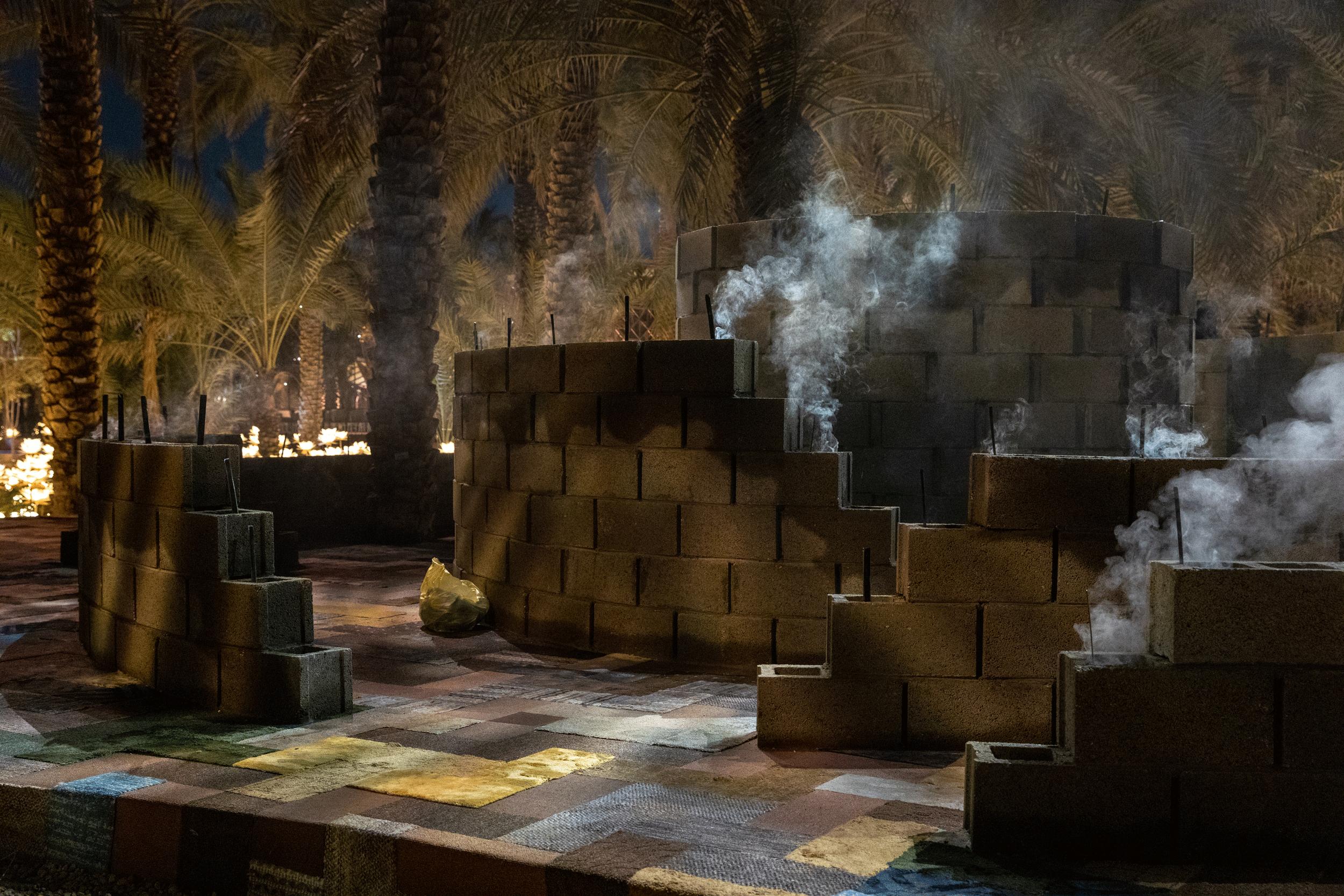



The discovery of oil in Saudi Arabia was a turning point that transformed the way we see ourselves and consume our environment. In this harsh desert climate, salt domes were a great indicator of the presence of an invisible power- natural resources such as gas and oil. The salt in this sense traced the process of time and predicted future growth and development. On the other hand, the Mormon pioneers in Utah were faced with similar environmental conditions when settling into the Salt Lake Valley, yet the excess presence of salt threatened their survival. Salt made the land barred and was unsuitable for growing crops. In both these scenarios, Salt was an essential drive towards survival and expansion of the two faiths and cultures.



A collective recollection of Martyr’s Square- Beirut, by different individuals, all describing the space as it was experienced in different periods. The collection of past accounts and experiences of a space that no longer exists triggered the artist to imagine, and allowed her to capture the lost sense of belonging by remembering, forgetting, fabricating, and describing an experience of the city. The memory of a space is being represented through the space of imagination. The narratives are derived from personal experiences of the space and reflect on an everyday dialect between the space and its occupants, offering snapshot impressions that represent a recollected memory, and further, a subjective linear reading of the space. The created narratives of these four imagined cities intends to narrate the memory of a space that consequently becomes a space of memory, an imagined space. By doing so, the artist intended to construct an unattainable city experience through the representations of memory.